
Having worked across ASEAN markets for three decades with multinational food and beverage companies, I have learned that our region’s strength lies in our interconnectedness. What affects one market ultimately touches us all. This is why AFBA’s recent study on the Philippines agri-food sector carries significance beyond one country: it reflects the challenges and opportunities we share across Southeast Asia.
Understanding the Foundation
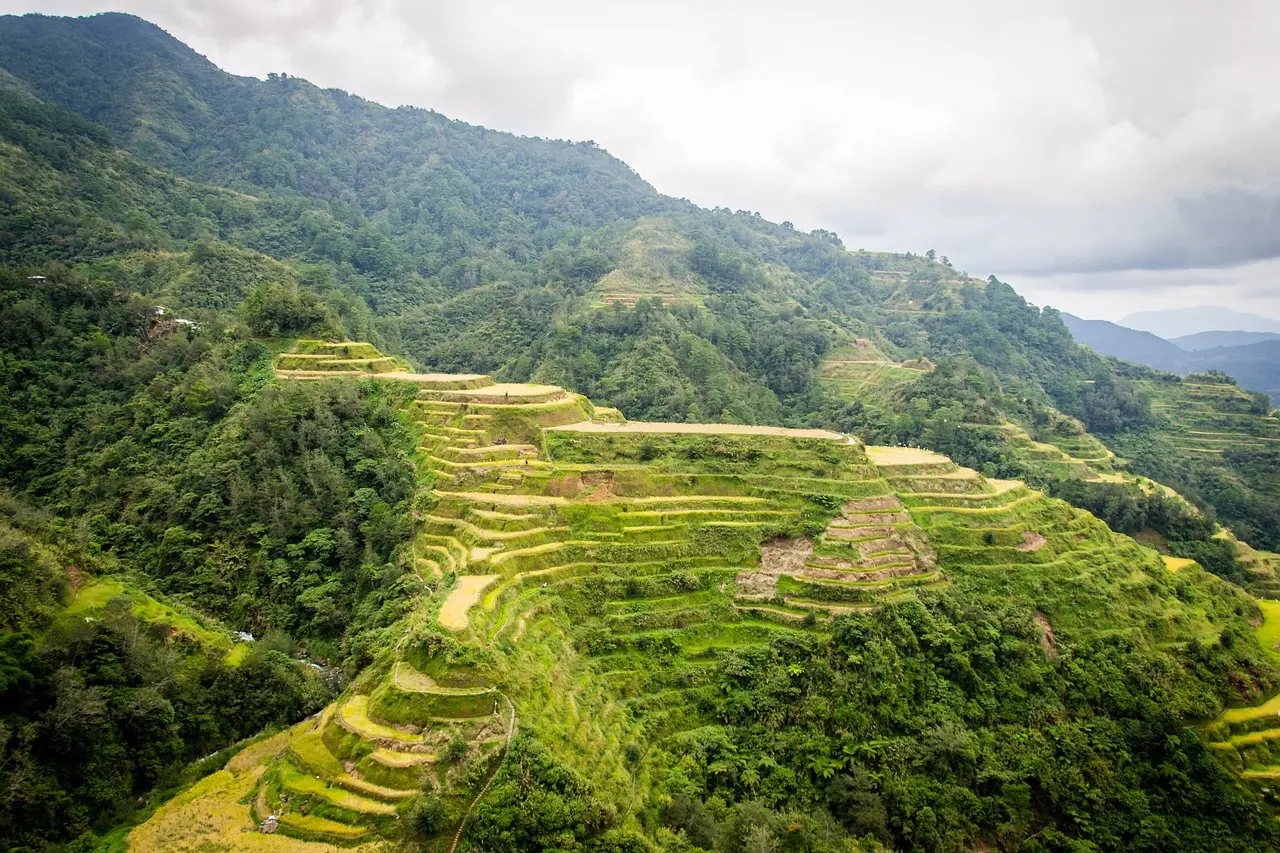
The research we commissioned through economics consultancy Oxford Economics reveals the true scale of the sector’s contribution. In 2025, the Philippines agri-food value chain generated $164.6 billion, which represents one-third of national GDP. The sector provides employment for 18.8 million people, or 38% of the workforce, and contributes over $20 billion in government revenues.
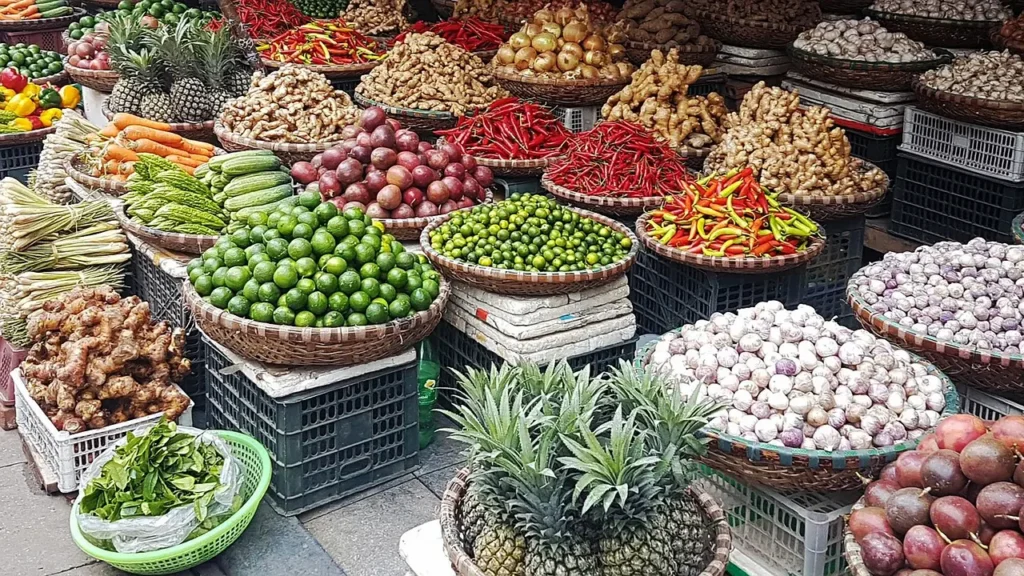
These figures tell us something important. From agricultural production ($55.4 billion) through food manufacturing ($71.3 billion) to distribution and hospitality ($37.9 billion), the sector creates value at every stage. This integrated value chain—connecting rural farmers to urban consumers—demonstrates the kind of inclusive economic development we strive for throughout ASEAN.
What particularly resonates with me is the sector’s role in supporting MSMEs and women entrepreneurs. Nearly half of all MSMEs in the Philippines operate in wholesale, retail, or food service, providing pathways to economic participation that build strong communities.
Navigating Difficult Conditions
The external environment has become more challenging. Trade tensions, particularly tariff measures create uncertainty for exporters. Oxford Economic’s modelling suggests these disruptions could impact key products like coconut oil, tropical fruits, and processed foods.
Beyond trade policy, climate change poses a longer-term structural challenge. The Philippines, like Thailand and other ASEAN neighbours, faces increasing vulnerability to extreme weather events. Our research indicates climate impacts have already contributed to 6% higher food prices over the past decade. For countries where food security remains a priority, this trend demands serious attention.
In worst-case scenarios, escalating trade barriers could reduce global GDP by 2.3% below projections over five years. For the Philippines, and indeed for all ASEAN economies deeply integrated into global value chains, such disruptions would create ripple effects across employment, investment, and household welfare.
A Balanced Path Forward
The solutions require both immediate action and sustained long-term commitment.
In the near term, we must strengthen export readiness, particularly for smaller producers. Access to finance, quality certification, and efficient distribution networks should not be advantages only large companies enjoy. Transparent import policies and streamlined customs procedures also matter greatly as these allow cost efficiencies to benefit local businesses and consumers alike.
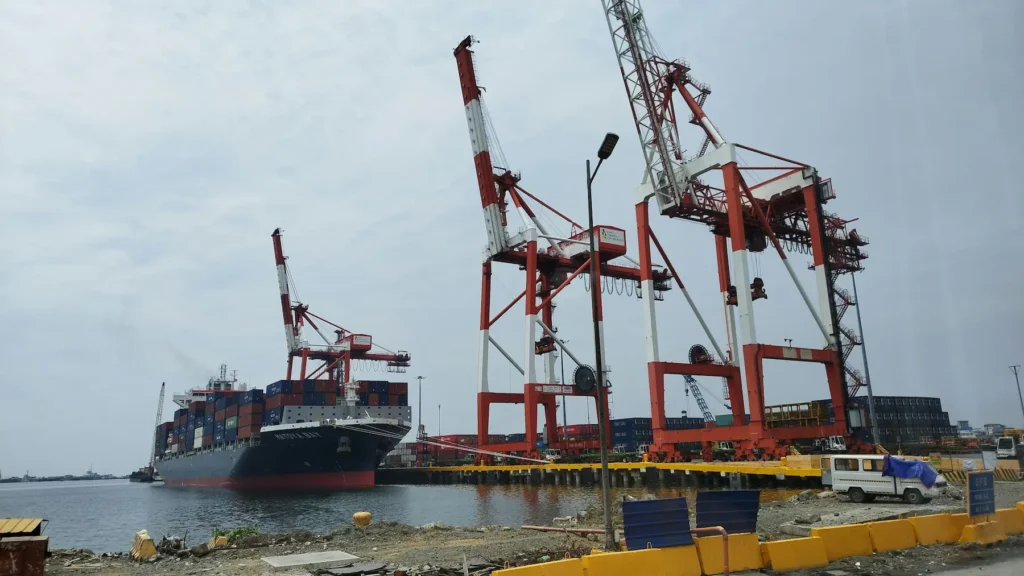
Looking ahead, infrastructure investment remains central to competitiveness. The Philippine Food Chain Logistics Masterplan 2023-2033 provides a solid framework. Implementation: in cold-chain facilities, port modernization, and inter-island connectivity. It will determine whether the sector can compete effectively in regional and global markets.
Energy costs deserve particular attention. Having been working in operations across ASEAN, I have observed how electricity prices directly impact food processing competitiveness. Investment in renewable energy and grid efficiency represents not just environmental responsibility but economic necessity.
Regulatory predictability also matters deeply for business planning and investment decisions. Clear, evidence-based policies developed through consultation with industry stakeholders create the stable environment that attracts quality foreign investment and supports MSME growth.
The Importance of Regional Cooperation
Throughout my career, I have seen how ASEAN’s strength comes from collaboration. Frameworks like ATIGA and RCEP, which the Philippines joined in 2023, offer pathways to deepen regional integration and diversify trade relationships. Estimates suggest RCEP could increase Philippines exports by 5.1% and GDP by 3.4% by 2035; meaningful gains achieved through cooperation rather than confrontation.
Maintaining open, rules-based trade benefits all parties. For net food importers like the Philippines and even Thailand (where I am based), efficient global markets help ensure affordable food supplies while providing opportunities for competitive exporters.
Moving Forward Together
At AFBA, our role is to facilitate dialogue between industry and policymakers, sharing experience and evidence that supports sound policy development. The Philippines agri-food sector’s contribution (one-third of GDP, employing four in ten workers) makes strengthening this sector a national priority with regional implications.
With consistent policy implementation, infrastructure investment, and continued commitment to open trade, the Philippines can build resilience while maintaining its vital role in ASEAN’s integrated food systems.
This is work we must pursue together, with patience and determination.